BRAZILPRONTO
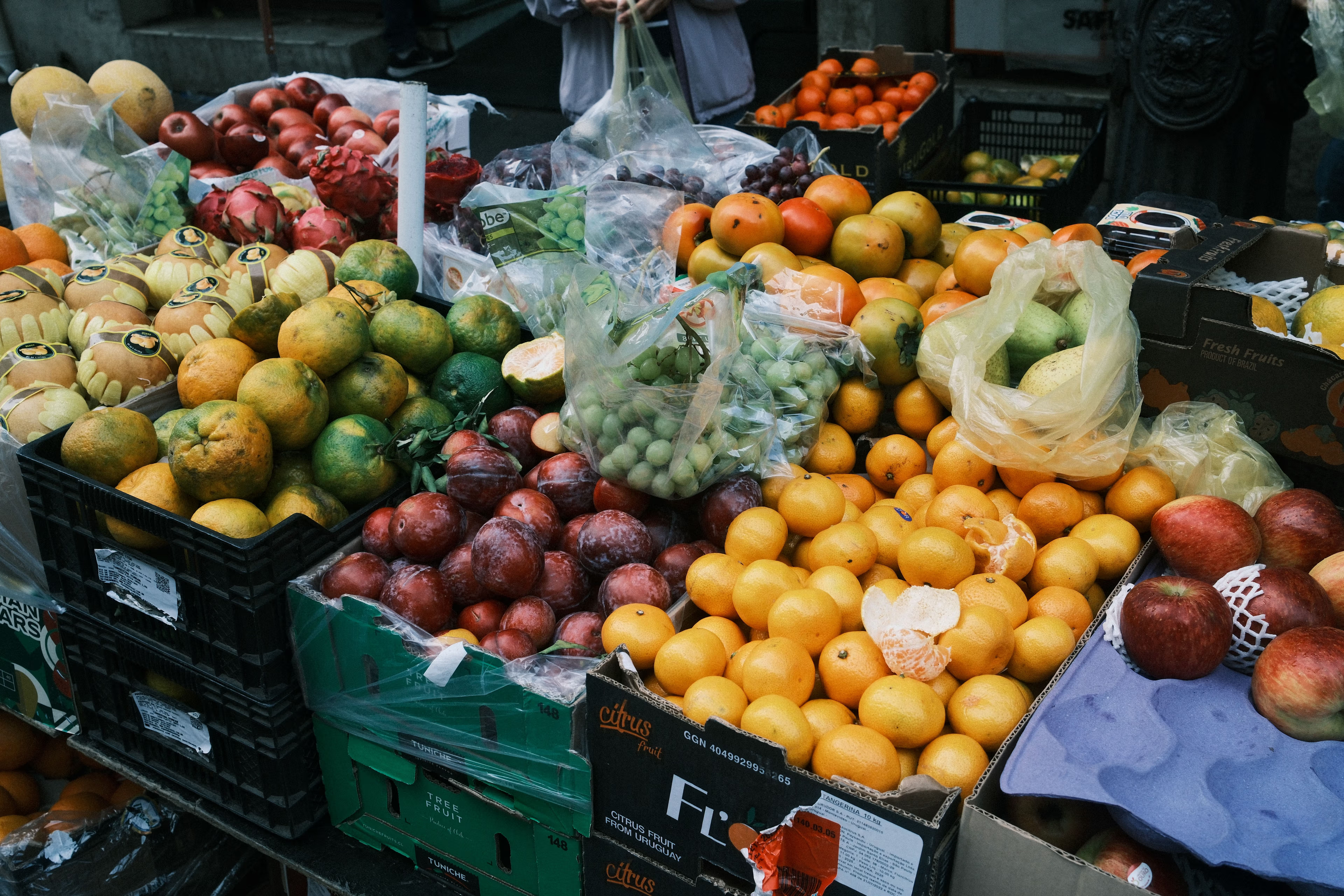
Citrus, apples and tropical fruits fill a São Paulo market stallAt the market · São Paulo

Brazil travel guide

Paying in Brazil

A coffee at the counter, a market purchase, a hotel deposit: understand what you are being charged, which payment method will work and how to keep a useful backup.

Plan the details
Currency
Brazilian real · BRL
Bring
A primary method and a backup

Money in everyday Brazil

Know the amount before the tap.

Brazil’s currency is the real, written R$, with reais as the plural. A price such as R$25,50 means twenty-five reais and fifty centavos. The practical question is how you will pay for the next part of the trip: a card at the hotel, some cash for a small purchase, or a transfer that a particular operator requests. Confirm the method before committing, especially for deposits and remote transfers.

  1. 01
    Build two ways to pay

    Carry a working primary card and a separate backup where possible. Keep enough local cash for the next small purchases rather than carrying the full trip budget. An app, a phone battery and one physical card should not be the only route to your money.

  2. 02
    Read the currency

    Check that the amount and currency match the agreed price before entering a PIN or approving a transaction. A familiar home-currency total is not automatically the least expensive conversion; compare the disclosed terms.

  3. 03
    Ask before ordering

    “Aceita cartão?” means “Do you accept cards?” Clarify payment at a market stall, on an excursion or before a transfer. A payment symbol on a counter does not guarantee that every foreign-issued card will work.

A customer hands reais to a vendor over fresh vegetables in Viçosa, Minas GeraisAn everyday purchase · Viçosa

01 · Cards and conversion

Keep control of the checkout.

At a staffed counter, an overseas card may need to be processed through the credit option even if you think of it as a debit card at home. Ask the merchant to use the appropriate route for your card, and confirm a single payment if that is what you intend. “À vista” means payment in one go; “parcelado” refers to installments. Do not assume a Brazilian installment offer applies to an overseas card or has the same terms as your issuer’s products.

  1. 01
    Separate purchase currency from conversion

    If a terminal or ATM offers your home currency, read the displayed exchange rate and any additional markup. This is dynamic currency conversion. Choosing BRL leaves conversion to the card network and issuer under their terms; your issuer may still charge foreign-transaction fees. The merchant should let you make the choice.

  2. 02
    Make the card travel-ready

    Before departure, check international use, withdrawal limits, your PIN and how your issuer handles verification abroad. Save a support contact that you can reach from Brazil. A card stored in a mobile wallet is useful, but bring the physical card if a hotel, rental desk or other booking requires it.

A fan of Brazilian real banknotes displays several denominationsBrazilian reais

02 · Cash and small purchases

Carry a useful amount of reais.

Small notes make an inexpensive snack, a market purchase or a short local transaction easier when change is limited. Obtain cash through a bank ATM or an authorized exchange provider, checking the actual fee and the amount you will receive. An exchange-rate headline is only one part of the transaction: commissions, minimum fees and the size of your exchange can change the result. There is no reason to convert the entire trip’s spending money at the first counter you see.

  1. 01
    Check the ATM before accepting

    Read the machine’s withdrawal fee and currency-conversion offer before proceeding. Your home bank may also impose a fee or daily limit. Choose a well-situated machine and keep the receipt or transaction record until the withdrawal appears correctly. If the machine fails to dispense cash, note its location and contact the provider and your bank.

  2. 02
    Keep backup money separate

    Divide cash and the backup card between secure places instead of carrying everything together. When you make a purchase, establish the total before handing over money and check the change. For a large deposit, obtain a written booking confirmation and use a traceable payment route agreed with the business.

A vendor serves food from large metal pots at a São Paulo street marketFood at the market · São Paulo

03 · Pix and reservations

A QR code is a payment method, not a promise.

Pix is Brazil’s instant-payment system. Using it requires a compatible account or service; scanning a merchant’s Pix code with a foreign banking app does not necessarily make payment possible. Some services offer ways for visitors to pay through Pix, but eligibility, identity checks, fees, exchange rates and refund handling belong to that provider’s current terms. You do not need to arrange Pix just to copy the way someone ahead of you pays for lunch.

  1. 01
    Ask for a workable alternative

    If a pousada or guide requests a Pix deposit, explain that you are visiting from abroad and ask what card, payment-link or transfer option they can accept. Check the total, recipient, currency and cancellation terms before sending money. Do not send funds to an unexplained third-party account because a message says the usual payment route is broken.

  2. 02
    Verify the person you are paying

    Open a payment link through the business’s established contact or booking channel and check the recipient details displayed before confirming. Keep the receipt and written description of what the payment covers. A screenshot of a QR code is not proof of the business’s identity, and a fast transfer should still be a considered purchase.

Before you book

The details that make a difference.

Save the essentials before you leave home, then use a short checkout routine each time: confirm the purchase, read the amount and currency, choose the payment method, keep the receipt.

01

Card setup

Know your issuer’s rules.

Check foreign-purchase fees, cash-withdrawal charges and verification requirements directly with your bank. If you rely on a home-number text message, make sure you can receive it while abroad. Do not discover the requirement after switching off that line at the airport.

02

The terminal

Decline an unwanted conversion.

You may choose to decline dynamic currency conversion and proceed in the local currency. Visa’s guidance says the choice belongs to the customer and that declining conversion should not prevent the ordinary transaction. If a screen is unclear, pause and ask before approving.

03

Bills and tips

Read what is already included.

Ask for “a conta, por favor” and review the items before paying. Check whether a service charge appears and ask what it covers; do not automatically add another percentage without reading the bill. If several people share a meal, ask how the restaurant can split payment.

04

CPF fields

Use the legitimate visitor process.

A Brazilian tax-number field can appear in an online checkout. Do not invent a CPF or borrow someone else’s identity. Ask the business for its foreign-customer booking route, a staffed payment option or a supported alternative that accepts your own details.

05

Holds and refunds

Leave room for pending amounts.

A hotel or rental authorization may temporarily reduce available funds without being a final charge. Ask about the hold before arrival, keep checkout paperwork and check refund timing with the merchant and issuer. A refund promise and an available balance are different stages.

06

If payment fails

Stop repeated attempts.

Confirm whether the first attempt was declined or is merely pending before trying several more times. Use your backup method after checking with the merchant, and contact the issuer through a saved official channel if necessary. Never share a PIN or one-time security code with someone offering to fix the transaction.
Useful official information

Check at the source.

Use the current information for your dates and the exact service you plan to book.

Last editorial review: 2026-09-08

Orange and wooden boats gather beside a pier in clear coastal waterBoats at the pier · Vila Nova, Rio de Janeiro

Leave room for the good part

Spend the day, not the day’s patience.

A payment plan should make the trip feel simpler. Set up your cards, understand the currency and agree on deposits in advance, then give your attention to the place you came to enjoy.

Plan what the trip will cost

From the journal

Latest Stories

Explore Brazil through its cities, culture and the choices that shape a journey.