BRAZILPRONTO
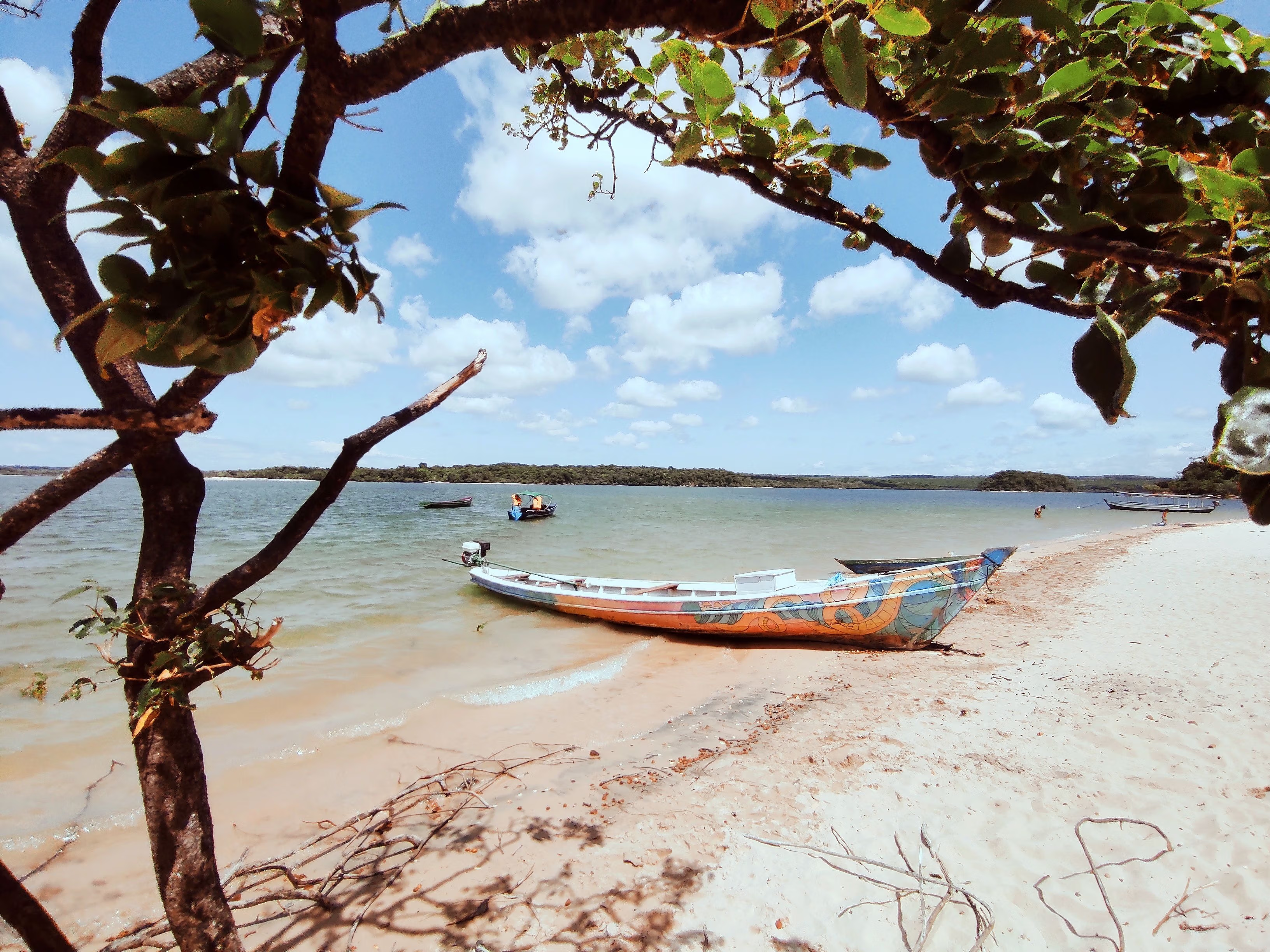
Colorful fishing boat framed by branches on a sandy Brazilian beachFishing traditions · Brazilian coast

At the meeting of river and sea

Marajó

Buffalo country, clay in a maker’s hands and long afternoons beside tidal water. Stay for the towns, the working landscapes and a food culture with its own identity, giving eastern Marajó several unhurried days.

Choose your Marajó base
Start with
Four or five nights
Focus on
Soure, Salvaterra and the eastern island

Where to stay

Choose your side of the river.

A first visit usually works best around Soure and Salvaterra, facing each other across the Paracauari. These eastern towns offer an introduction to a much larger region; they are not a complete circuit of the archipelago. Choose one main base and plan the crossings and outings from there. A rural property can change the experience considerably, so compare the location as carefully as the room.

  1. 01
    Soure

    Choose Soure when workshops, town life and outings toward the beaches are central to your plans. A base near the center makes it easier to return for a meal between excursions, while an outlying pousada may offer more space and a different setting. Look at the exact street and ask how you will reach the places you want to visit. Soure is a useful first choice for travelers who prefer several kinds of day out from one base.

  2. 02
    Salvaterra

    Consider Salvaterra for time on the other side of the Paracauari and access to the eastern coast. It can fit an arrival through Camará, although the port and town still require a land transfer. If many planned activities are in Soure, account for the crossing in both directions rather than treating the two towns as a single walkable center. Compare properties by their immediate surroundings and evening meal options.

  3. 03
    Joanes or a rural stay

    Choose a smaller coastal settlement or a hosted rural property when the setting itself is a priority. The tradeoff is a more deliberate transport and meal plan. A stay outside the towns works especially well when its host offers the landscape or activity you came for. Ask what a typical full day includes, how much is private to the property and which visits require a separate vehicle or guide.

A boatman and painted wooden vessel on the water at Breves in the Marajó regionRiver life · Breves, Marajó

01 · Soure and the Paracauari

Begin with an ordinary morning.

Soure’s streets, market and riverfront give the island visit a human scale. Start with breakfast, leave time for a walk through the center and notice the boats making local journeys across the Paracauari. The small encounters between planned excursions help explain the place: an ingredient at a stall, an object made nearby or a conversation about the day’s tide. A town morning is worth keeping in the itinerary alongside the more photogenic landscapes.

  1. 01
    Let breakfast lead into the town

    Tapioca with queijo do Marajó makes a useful first introduction to the local table. Follow it with a walk that connects the market, central streets and the area around the Igreja de Nossa Senhora de Nazaré. Keep the route short enough to stop when something interests you. A guide with local knowledge can add context to buildings and everyday work without turning the morning into a rapid circuit of landmarks.

  2. 02
    Use the river as a connection

    A crossing to Salvaterra shows how the two towns relate to one another. Make it part of an outing with a purpose, such as a meal or a visit on the other side, and arrange the return around the service you will actually use. Passenger boats and vehicle ferries are different choices. A private river excursion is another experience again: agree its route and local guide rather than assuming the town crossing covers it.

Plan your island connections
Thatched timber beach shelter beside sand in Pará, BrazilAlong the shore · Pará

02 · Sand, mangroves and the tide

Give the shore a full afternoon.

Marajó’s eastern beaches belong to a landscape shaped by great rivers and Atlantic influence. Around Soure, Pesqueiro and Barra Velha offer different combinations of sand, vegetation and places to spend time near the water. Across the Paracauari, the Salvaterra side opens another stretch of coast. Choose the beach for its setting and the day’s conditions, then leave enough time for lunch and a walk as the light changes.

  1. 01
    Choose one setting and settle into it

    A lunch-led outing to Pesqueiro and a quieter look at a mangrove-fringed shore make different kinds of day. Ask your host which location fits the tide, access and atmosphere you want. Consider shade and the return journey before committing to a remote stretch. Staying in one place for several hours often gives a stronger sense of the coast than moving through a list of beaches with only time for photographs.

  2. 02
    Read the water locally

    A broad stretch of sand is not enough information to choose a swimming spot. Follow current local advice about the tide, currents and access, and keep the outing flexible when the conditions do not suit swimming. A beach day can center on a meal, the view and an easy walk instead. For photography, protect mangrove roots and working areas, and ask before making residents or their boats the subject.

Explore Brazil’s beaches and islands
Intricately decorated ceramics at Art Mangue in Soure on MarajóArt Mangue · Soure

03 · Clay, design and carimbó

Meet the people making culture now.

Marajoara ceramics are part of a much longer history than the contemporary pieces offered to visitors. A working studio gives you a way to ask how a maker interprets that history through clay, pattern and form today. In Soure, Arte Mangue Marajó is one place to investigate a hosted workshop. Carimbó adds another living cultural expression to the visit, especially when you can attend an event shaped by the local community’s own program.

  1. 01
    Choose a workshop with time to make

    Ask whether the visit is a demonstration, a conversation or a practical session, and how the work will be completed. Clay needs a process beyond the first hour at the table; clarify firing and collection if you want to take a piece home. Buying a contemporary object from its maker can be the more practical choice on a short stay. Let the artist explain the designs, and distinguish present-day work from archaeological material.

  2. 02
    Keep music and heritage in their proper places

    Look for a scheduled carimbó gathering or an encounter arranged with participating artists, rather than expecting a performance on demand. Ask about the songs, instruments and dance as well as the spectacle. If archaeology is a major interest, investigate the Museu do Marajó in Cachoeira do Arari as a separate journey. It is not a museum in central Soure and should not be squeezed between two nearby town visits.

Explore Brazil’s culture
Water buffalo in a flooded field at Fazenda Bom Jesus in Soure, MarajóFazenda Bom Jesus · Soure

04 · Farms and open country

Look beyond the forest postcard.

Eastern Marajó introduces an Amazon of open fields, water and working rural properties. Buffalo are part of this agricultural landscape, with milk production connecting the countryside to the island’s food. A hosted farm visit can explain how people work with the changing water and the ground beneath it. Choose a place for the particular experience it offers, from learning about cheese production to a guided route through several kinds of habitat.

  1. 01
    Match the farm to your interests

    A producer visit and a nature circuit are different experiences. Fazenda São Jerônimo, for example, describes a circuit through woodland, a canoe channel, shore and mangrove, while cheese-focused visits center on production and tasting. Ask for the current program and choose the parts that interest your group. Travelers who prefer observing buffalo to riding or swimming with them should make that preference clear before booking.

  2. 02
    Leave time to observe the landscape

    Ask your guide how recent rain and water levels have changed the route, and what the day offers for watching birds or understanding the vegetation. Quiet stops can be more revealing than covering the greatest distance. Binoculars help you appreciate animals without approaching them. Keep a flexible expectation of wildlife: the value of the outing also lies in the relationship between the land, water and people working there.

Explore wildlife journeys
Assorted Brazilian cheeses with herbs and golden oil on a red serving plateAt the table · Brazilian cheeses

05 · The island at the table

Give the cheese a proper introduction.

Queijo do Marajó links a distinctive food to its producers and place of origin. The registered geographical indication is more specific than a general claim that a cheese comes from the Amazon. Look for an opportunity to taste the creme and manteiga styles and ask how their preparation differs. A conversation at a producer’s table adds context to the cheese served at breakfast, and connects a familiar dairy ingredient with the working landscape outside.

  1. 01
    Choose a producer-led tasting

    A hosted experience such as Vivência Mironga can bring together discussion of buffalo husbandry, the local landscape and dairy production, followed by tasting. Confirm the current visit format and whether you will meet someone involved in making the cheese. Ask which products come from the farm and which are supplied by neighboring producers. The strongest visit explains the work behind the food as clearly as it serves it.

  2. 02
    Let the rest of the menu broaden the stay

    Build variety into the meals around the tasting: a fish lunch by the shore, a simple town meal and the regional dishes your host prepares well. Ask what is available that day rather than expecting every local specialty at every restaurant. Explain dietary requirements before a farm meal, where substitutions may need advance planning. If buying cheese, ask about storage and transport; a gift for home must also meet your destination’s entry rules.

Continue to Belém’s food culture

Before you arrive

Plan the crossing, then give the island time.

The most useful decisions are your arrival port, main base and a few hosted visits. Leave space between them for the place itself.

01

Arrival

Read the destination on your boat ticket.

Services from the Belém area use different departure and arrival points. A ticket to Camará involves a land transfer onward; a service to Soure has a different arrival plan. Confirm the actual terminal, luggage arrangements and connection to your accommodation before paying. Your host can help match the arrival to the correct vehicle or local crossing. Do not rely on an old timetable copied into a general tourism page.

02

Duration

Allow four or five nights for a first visit.

This gives room for a town morning, a beach outing, a workshop and a farm visit without making every day a transfer. Consider an arrival afternoon to settle in, two or three full days for these experiences and a clear departure day. Add nights when a more distant town or rural stay is important. Trying to see Marajó in a quick excursion from Belém leaves little time for the reasons to come.

03

Movement

Organize outings from one main base.

A vehicle can make coast and countryside visits easier, but choose it after deciding the itinerary and current road access. Confirm whether transfers are included in hosted activities. If staying in Soure and visiting the Salvaterra side, account for the Paracauari crossing and its operating arrangements. Agree pickup points and return times so you can enjoy the outing without negotiating each next leg along the way.

04

Conditions

Choose activities for the actual water and weather.

Rain, water levels and tides affect different parts of a visit in different ways. Ask your accommodation what is working well near your dates: field routes, canoe outings and beach access need local information. For walking, bring comfortable footwear suitable for the planned ground, sun protection and a light rain layer. Give the day an easy alternative, such as a studio visit or a longer meal, if conditions change.

05

Reservations

Book the people-led experiences first.

Contact ceramic makers, farm hosts and specialist guides ahead of the visit, particularly when an English-language explanation matters. Confirm duration, group size and what is included. A working studio or producer does not necessarily accept visitors throughout the day. Leave ordinary town exploration flexible around these appointments, and respect that a host’s daily work continues beyond the visitor program.

06

Return

Keep a buffer before a flight from Belém.

Check the return service and its actual arrival terminal before choosing onward travel. A connection depends on the boat journey, disembarkation and the transfer through Belém, not simply the published crossing time. An overnight in the city is a useful option before an important flight. It also gives you another meal and a final opportunity to connect Marajó’s food and craft with what you saw in Belém.
Before you go

Local visits and island information.

Use direct host information for current visits and confirm boat services separately before arranging your stay.

Last editorial review: 2026-09-09

Wooden boat framed by tropical vegetation beside a beach in Alagoas, BrazilCoastal life · Alagoas

Keep exploring

Return to the city with more to notice.

Belém’s markets and cultural spaces take on another dimension after time with Marajó’s makers and producers. Give the city several days of its own, with room for the food, architecture and river life that connect the two stays.

Explore Belém
Photo credits

From the journal

Latest Stories

Explore Brazil through its cities, culture and the choices that shape a journey.